














Frequently Asked Question
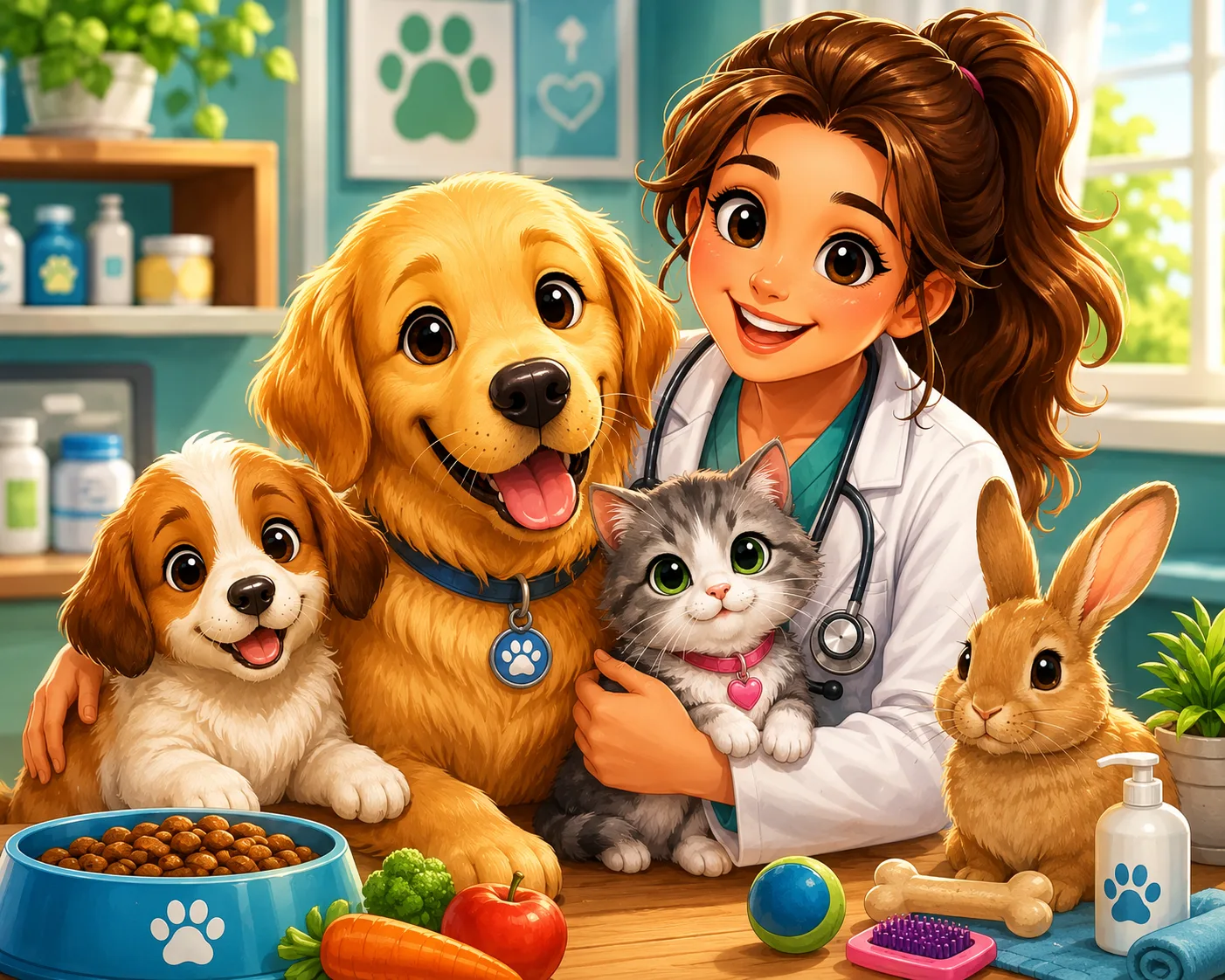
A healthy pet usually has bright eyes, a shiny coat, clean ears, healthy skin, and plenty of energy for daily activities. They should eat and drink normally, maintain a healthy weight, and show no signs of pain or discomfort. Regular exercise, a balanced diet, and routine veterinary check-ups play a major role in keeping pets healthy. It’s also important to watch for changes in behaviour, appetite, or bathroom habits, as these can be early signs of illness. By paying attention to your pet’s physical condition and daily routine, you can identify potential health concerns early and ensure they receive the care they need for a long and happy life.
The ideal diet depends on your pet’s age, breed, size, activity level, and overall health. Puppies and kittens need nutrient-rich food to support growth, while adult and senior pets have different nutritional requirements. High-quality pet food should contain balanced proteins, healthy fats, vitamins, and minerals without unnecessary fillers. Fresh water should always be available, and treats should be given in moderation. Before changing your pet’s diet or introducing homemade meals, it’s always a good idea to consult a veterinarian. Feeding your pet the right food helps maintain healthy digestion, a strong immune system, and overall well-being.
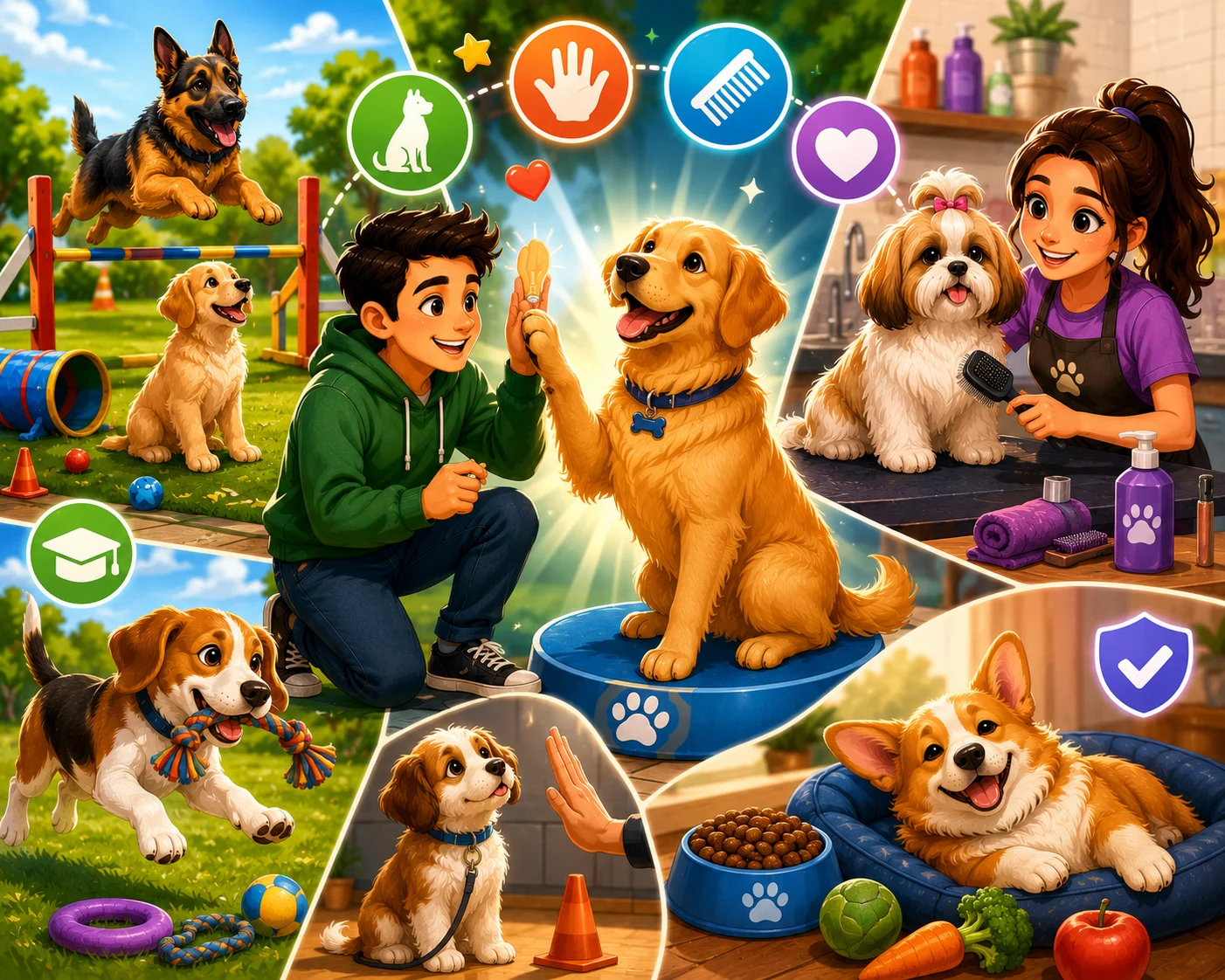
Regular grooming keeps your pet clean, comfortable, and healthy. The frequency depends on the type of animal, breed, and coat length. Long-haired pets generally require more frequent brushing than short-haired breeds to prevent matting and excessive shedding. Grooming also includes nail trimming, ear cleaning, dental care, and occasional bathing using pet-safe products. Keeping up with a grooming routine helps detect skin issues, parasites, or lumps early while reducing the risk of infections. Besides improving your pet’s appearance, grooming strengthens the bond between you and your companion and contributes to their overall health.
Exercise requirements vary depending on the species, breed, age, and health of your pet. Most dogs benefit from daily walks, play sessions, and interactive activities that keep them physically and mentally active. Cats enjoy climbing, chasing toys, and puzzle games that encourage natural hunting instincts. Birds, rabbits, and other small pets also need space and enrichment to stay healthy. Regular exercise helps prevent obesity, reduces stress, improves behaviour, and supports heart and joint health. A consistent routine ensures your pet remains active, happy, and emotionally balanced throughout every stage of life.
While many human foods are safe in moderation, several can be harmful or even life-threatening to pets. Chocolate, grapes, raisins, onions, garlic, alcohol, caffeine, xylitol, macadamia nuts, and certain artificial sweeteners are among the most common toxic foods. These can lead to digestive problems, organ damage, poisoning, or other serious health complications. Even foods that seem harmless may upset your pet’s stomach if given in large amounts. Before sharing any table scraps or homemade meals, always confirm that the ingredients are safe for your specific pet. Prevention is the best way to avoid accidental poisoning.